

CIVIL
Sydney Civil Construction & Transport Specialists
Our Civil Services
Bulk Excavation
Perfect Contracting provides extensive bulk excavation services across all major industry sectors.
Civil Construction
Perfect has the expertise, experience and resources to install civil construction services from design to completion.
Pile & Shoring Installation
Perfect has years of knowledge and experience executing Piling and Shoring Installations.
Rock Sawing
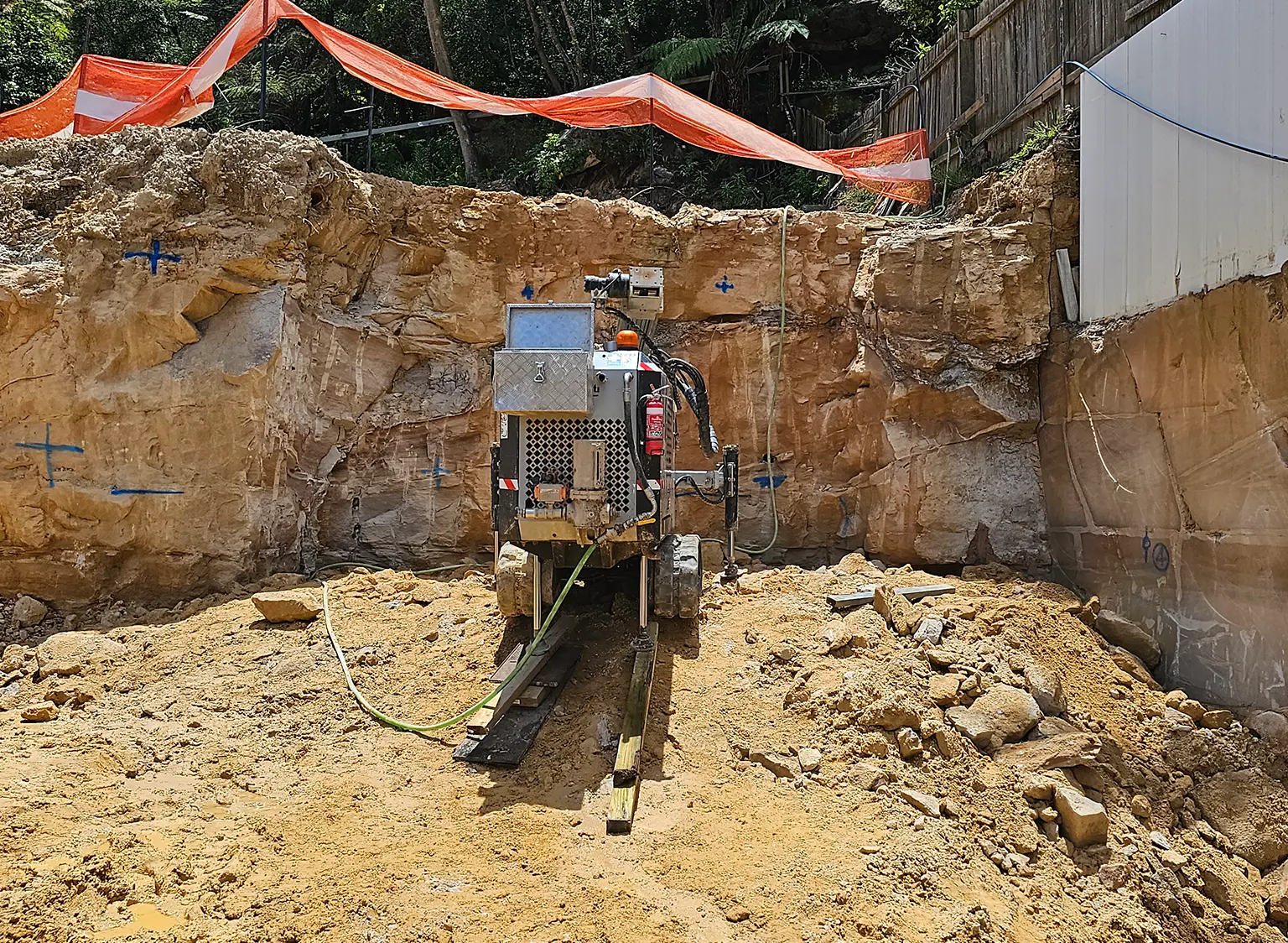
Perfect offers a comprehensive rock sawing, hammering and grinding service using highly specialised equipment.
Hazmat Remediation
Perfect offers extensive hazmat remediation services for all major industry sectors.
Soil Remediation
Perfect has years of knowledge and experience executing Piling and Shoring Installations.
Freequently Asked Questions
Civil construction is a branch of civil engineering focused on creating the infrastructure essential for modern life—such as roads, buildings, bridges, water systems, dams, airports, and drainage systems. It involves planning, designing, constructing, and maintaining these structures.
Most civil construction projects follow these stages:
- Planning & Feasibility Study – assessing site conditions, costs, and requirements
- Design Phase – structural, architectural, and engineering designs
- Approvals & Permits – legal and regulatory compliance
- Site Preparation – excavation, leveling, utilities setup
- Construction – building the structure
- Inspection & Quality Control – ensuring safety and compliance
- Handover & Maintenance
Typical materials include:
- Concrete – for foundations, slabs, columns
- Steel – reinforcement and structural frames
- Bricks & Blocks – walls and partitions
- Aggregates – for concrete and roadwork
- Timber – formwork and certain structural uses
- Asphalt – road surfacing
Material choice depends on durability, cost, availability, and project requirements.
Key safety practices include:
- Mandatory PPE: helmets, gloves, safety shoes, goggles
- Proper scaffolding and fall protection
- Regular site inspections
- Clear signage and restricted zones
- Proper machinery training and safe operation
- Emergency plans and first-aid availability
Safety is essential to reduce accidents and ensure regulatory compliance.
Project costs depend on:
- Materials (type, quality, market price)
- Labor availability and skill level
- Design complexity
- Site conditions (soil, accessibility)
- Equipment costs
- Regulatory approvals
- Timeline (faster timelines usually cost more)
Accurate cost estimation is critical for avoiding overruns.
Civil engineering is the broader field that involves designing, analyzing, and planning infrastructure projects. Civil engineers create the technical drawings, perform calculations, ensure structural safety, and oversee project feasibility and compliance.
Civil construction, on the other hand, focuses on the execution of those designs. It involves the physical building process—site preparation, material handling, equipment use, workforce management, and on-site safety.
In simple terms:
- Civil engineers design the project.
- Civil construction teams build the project.